Being confined to a bed due to illness, injury, or other medical conditions can be challenging, both physically and emotionally. For bedridden patients, proper nutrition becomes even more crucial to maintain overall health and prevent complications such as bedsores. In this blog, we'll explore some essential nutrition tips for bedridden patients, focusing on managing and preventing bedsores, and we'll delve into the role of bedsore ointments and bedsore gels in the healing process.
The Importance of Nutrition:
Nutrition plays a vital role in maintaining skin health and preventing bedsores in bedridden patients. A well-balanced diet provides essential nutrients that support tissue repair, boost the immune system, and promote overall wellness. Here are some key nutrition tips for bedridden patients:
Protein-Rich Foods:
Protein is crucial for tissue repair and wound healing. Encourage bedridden patients to consume protein-rich foods such as lean meats, poultry, fish, eggs, dairy products, legumes, and nuts. Protein supplements may be necessary for those who have difficulty meeting their protein needs through regular food intake
Vitamin C:
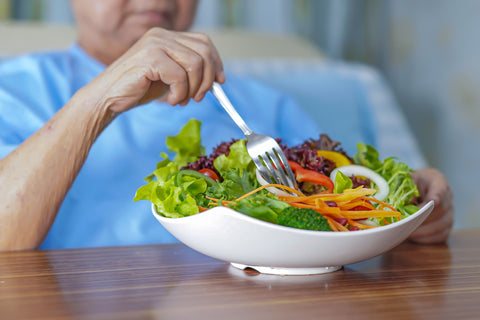
Vitamin C is essential for collagen synthesis, which is vital for maintaining skin integrity. Incorporate foods rich in vitamin C, such as citrus fruits, strawberries, kiwi, tomatoes, and bell peppers, into the patient's diet.
Zinc:
Zinc plays a role in wound healing and immune function. Good dietary sources of zinc include meat, shellfish, dairy products, nuts, seeds, and whole grains.
Hydration:
Adequate hydration is essential for maintaining skin elasticity and preventing dehydration, which can increase the risk of bedsores. Encourage bedridden patients to drink plenty of fluids throughout the day, such as water, herbal teas, and diluted fruit juices.
Fiber:
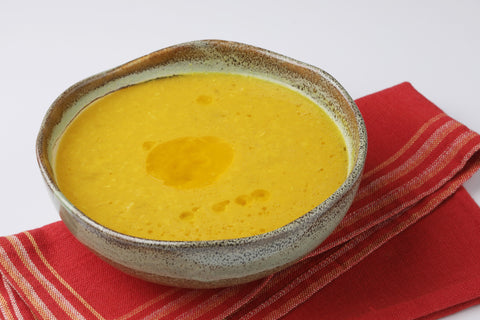
Constipation can exacerbate the risk of bedsores by putting additional pressure on the skin. Ensure that bedridden patients consume an adequate amount of fiber from fruits, vegetables, whole grains, and legumes to promote regular bowel movements.
The Role of Bedsore Ointment and Bedsore Gel:
In addition to proper nutrition, the use of bedsore ointments and bedsore gels can aid in the prevention and treatment of bedsores. These topical treatments are designed to moisturize the skin, reduce friction, and protect against pressure injuries. Here's how they work:
Moisturization:
Bedsore ointments and bedsore gels contain ingredients such as petrolatum, lanolin, or dimethicone, which help hydrate the skin and prevent dryness. Moisturized skin is less prone to damage and irritation.
Barrier Protection:
These products create a protective barrier on the skin, shielding it from friction and pressure. This barrier reduces the risk of skin breakdown and helps prevent the formation of bedsores.
Promotion of Healing:
Some bedsore ointments and bedsore gel contain additional ingredients such as aloe vera or vitamin E, which have soothing and healing properties. These ingredients can aid in the healing process of existing bedsores and promote skin regeneration.

Proper nutrition is essential for bedridden patients to maintain skin health and prevent the development of bedsores. A diet rich in protein, vitamins, minerals, and fiber supports tissue repair, boosts immunity, and promotes overall well-being.
Additionally, the use of bedsore ointments and bedsore gel can provide added protection and support in preventing and treating pressure injuries. By implementing these nutrition tips and incorporating appropriate skincare practices, caregivers can help improve the quality of life for bedridden patients and reduce the risk of complications associated with prolonged immobility.
Frequently Asked Questions
1. What is the best diet for a bedridden patient to prevent bed sores?
A diet rich in protein (eggs, lean meat, legumes, dairy), vitamin C (citrus fruits, bell peppers), and zinc (nuts, seeds, whole grains) supports tissue repair and keeps skin strong enough to resist pressure injuries. Adequate hydration — at least 6 to 8 glasses of water daily — is equally essential, as dehydrated skin breaks down much faster under pressure.
2. Does protein help in healing bed sores faster?
Yes — protein is the most critical nutrient for wound healing as it directly supports tissue repair and rebuilds damaged skin. Bedridden patients with low protein intake heal significantly slower, so including lean meats, fish, eggs, dairy, or protein supplements in every meal is essential for faster bedsore recovery.
3. How much water should a bedridden patient drink every day?
Bedridden patients should aim for at least 6 to 8 glasses (1.5 to 2 litres) of fluids daily through water, herbal teas, or diluted juices — unless medically restricted due to kidney or heart conditions. Proper hydration maintains skin elasticity, prevents urinary tract infections, and reduces constipation, all of which directly lower the risk of bed sore development.
4. Can constipation make bed sores worse in bedridden patients?
Yes — constipation increases abdominal pressure and prolonged skin contact with stool, both of which worsen skin breakdown in immobile patients. Including fibre-rich foods like fruits, vegetables, whole grains, and legumes in the daily diet promotes regular bowel movements and reduces this added risk.
5. Does bedsore gel work better alongside good nutrition or is one enough?
Both work together — nutrition repairs the skin from within by providing the building blocks for tissue regeneration, while a bedsore gel like Soreze protects the skin from the outside by creating a moisture-locking, friction-reducing barrier. Using only one without the other leaves a gap in care; the fastest healing and best prevention results come from combining a protein and vitamin-rich diet with consistent topical barrier protection.