Every year, World Asthma Day highlights the importance of respiratory health across all age groups. According to the World Health Organization, asthma affects millions worldwide and requires ongoing care and awareness. For older adults, this becomes even more important, as age-related changes can complicate breathing conditions. Understanding and managing Asthma early can significantly improve quality of life in later years.
1. Understanding Asthma in Older Adults
Asthma is not limited to childhood; it can develop or persist well into older age. As highlighted by the American Lung Association, symptoms in seniors may appear differently or be less noticeable, which can delay diagnosis. This makes awareness and education essential for timely care.

2. Why Asthma Often Goes Undiagnosed
Many seniors mistake asthma symptoms for normal ageing or other health issues, such as fatigue or reduced stamina. Breathlessness is often ignored until it becomes severe. Research and guidelines from the Global Initiative for Asthma emphasize that recognizing the signs of asthma in elderly individuals is crucial for early intervention.
3. Common Symptoms to Watch For
Symptoms in older adults may be subtle but should not be overlooked. As per insights from the Centers for Disease Control and Prevention, key signs include:
- Persistent cough, especially at night
- Mild wheezing or difficulty breathing
- Chest tightness
- Shortness of breath during routine activities
- Feeling unusually tired after minimal effort

4. Key Triggers That Affect Seniors
Certain triggers can worsen asthma symptoms in older adults. Environmental and lifestyle factors identified by the World Health Organization include:
- Air pollution and dust exposure
- Cold air or sudden weather changes
- Respiratory infections
- Smoke or strong fragrances
- Emotional stress
Avoiding these triggers can help reduce flare-ups and discomfort.
5. Challenges in Managing Asthma
Managing asthma in seniors can be complex. According to the National Heart, Lung, and Blood Institute, issues like difficulty using inhalers, memory challenges, or multiple medications can affect treatment consistency. This is why a structured asthma treatment plan becomes essential.
6. Importance of Regular Monitoring and Care
Routine doctor visits and monitoring lung function can prevent complications. Medical bodies like the Global Initiative for Asthma recommend regular follow-ups to adjust medications and detect worsening symptoms early, reducing the risk of severe asthma attacks.
7. Lifestyle Tips for Better Breathing
Healthy daily habits can support better respiratory health. Experts from organizations such as the American Lung Association suggest:
- Keeping indoor spaces clean and well-ventilated
- Practicing light exercises like walking or breathing techniques
- Eating a balanced, nutritious diet
- Staying hydrated
- Managing stress through relaxation or mindfulness
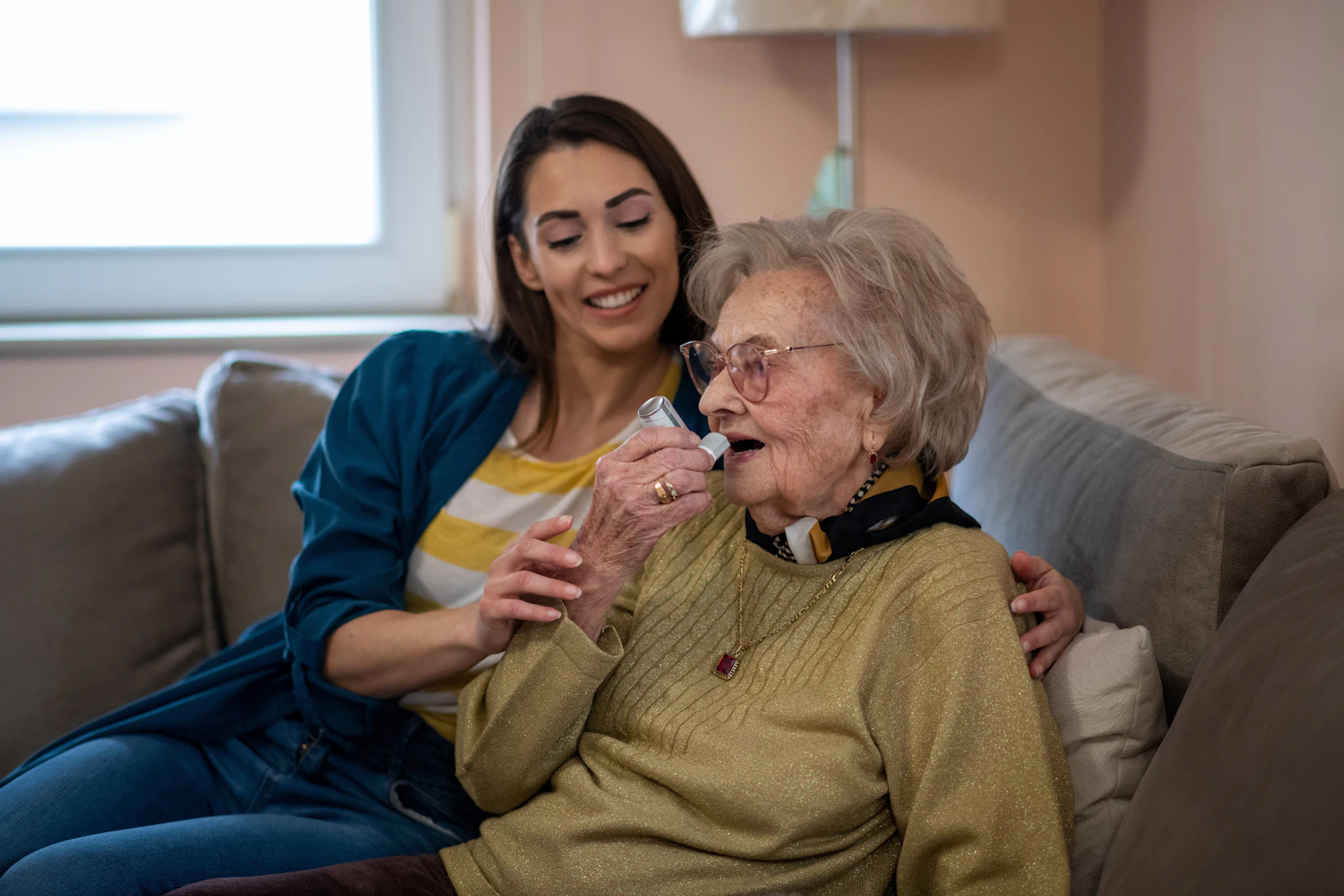
8. Role of Caregivers and Family Support
Support from family members can make a significant difference. From reminding seniors to take medications to helping identify early symptoms, caregivers play a key role in effective asthma management and overall well-being, as also emphasized by global health guidelines.
This World Asthma Day, raising awareness about asthma in senior citizens is vital. Backed by guidance from global health authorities like the World Health Organization, it is clear that with the right knowledge, timely diagnosis, and consistent care, older adults can manage their condition effectively and enjoy a better quality of life. Prioritising respiratory health today ensures easier, more comfortable breathing tomorrow.
References
-
World Health Organization – Asthma fact sheet
Asthma – WHO Fact Sheet -
Global Initiative for Asthma – Global strategy & guidelines
https://ginasthma.org/reports/ -
Centers for Disease Control and Prevention – Asthma overview and management
CDC Asthma Resource Page -
National Heart, Lung, and Blood Institute – Asthma care and treatment guidelines
NHLBI Asthma Overview -
American Lung Association – Asthma education and lifestyle support
Learn About Asthma – American Lung Association