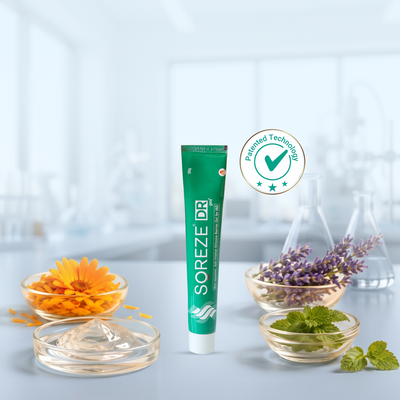
Caring for bedridden patients is already delicate—but summer makes it even more challenging. Increased heat, sweating, and humidity can slow healing, worsen skin breakdown, and increase the risk of infection. That’s why adopting the right approach to wound care, especially during warmer months, is essential for faster recovery and better comfort.
In this guide, we’ll explore the most effective best practices for wound healing, with a focus on summer-specific challenges.

1. Keep the Skin Clean, Cool & Dry
During summer, sweat and moisture become major triggers for skin damage. Prolonged exposure to moisture can weaken the skin barrier and accelerate breakdown, especially in bedridden patients.
-
Gently cleanse the skin using pH-balanced products
-
Pat dry instead of rubbing
-
Change bedding and clothes frequently
-
Focus on high-risk areas like the back, hips, and heels
Keeping the skin dry is one of the most effective ways to prevent bedsores, especially in humid weather.
2. Maintain a Moist (Not Wet) Healing Environment
Contrary to common belief, wounds heal better in a slightly moist environment—not overly dry or excessively wet. Proper moisture balance promotes tissue repair and reduces scarring.
However, in summer:
-
Excess sweat can trap bacteria
-
Damp dressings may lead to infections
Use breathable dressings and ensure timely changes to maintain optimal healing conditions.

4. Hydration is Non-Negotiable
Heat increases the risk of dehydration, which directly slows down the healing process. When the body lacks fluids, it struggles to deliver nutrients to the wound site.
Encourage:
-
6–8 glasses of water daily
-
Hydrating foods like fruits and vegetables
Hydrated skin remains more elastic and resilient, supporting faster pressure sore treatment.
5. Reposition Frequently to Reduce Pressure
One of the leading causes of wounds in bedridden patients is constant pressure on specific body parts.
-
Reposition every 2 hours
-
Use cushions or pressure-relieving mattresses
-
Avoid dragging the patient to reduce friction
Managing pressure, moisture, and friction together is key to preventing worsening wounds.
6. Focus on Nutrition for Faster Healing
Healing starts from within. A nutrient-rich diet plays a major role in skin repair and recovery.
Include:
-
Protein (eggs, dairy, legumes) for tissue repair
-
Vitamin C for collagen production
-
Zinc for immune support
A balanced diet significantly improves healing outcomes in bedridden patients.

7. Use Protective Barrier Products
Topical care is just as important as internal care—especially in summer when friction and moisture increase.
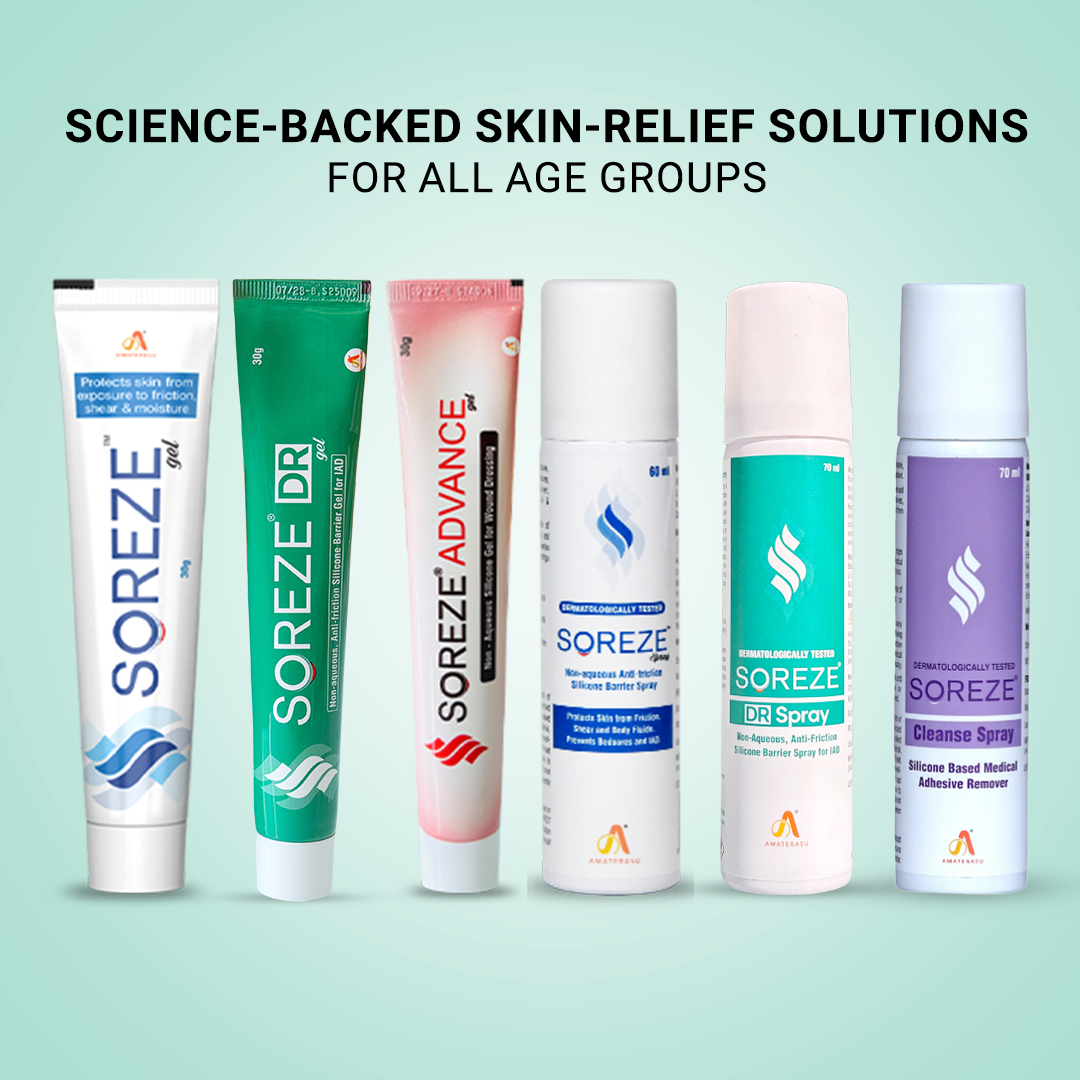
Barrier-based gels and sprays help:
-
Protect skin from sweat and friction
-
Create a moisture-locking layer
-
Reduce irritation and redness
Products like Soreze Gel and Sprays are designed specifically for bedridden skin care. They act as a protective shield, helping prevent further damage while supporting the healing process. When combined with proper nutrition and hygiene, such products can significantly improve recovery outcomes.
8. Monitor the Skin Daily
Early detection can prevent minor issues from becoming severe wounds.
Check daily for:
-
Redness or discoloration
-
Warm or swollen areas
-
Any open wounds or blisters
Quick action can make a huge difference in wound care success.
Summer can be harsh on sensitive, bedridden skin—but with the right care routine, complications can be minimized. By focusing on hygiene, hydration, nutrition, and protective care, you can create an environment that supports faster and safer healing.
Combining these best practices for wound healing with reliable solutions like Soreze ensures that patients not only heal better but also stay comfortable during the most challenging months.