As we age, our bodies undergo various changes, making us more susceptible to certain health issues. For elderly individuals who find themselves bedridden due to illness, injury, or other reasons, there are specific complications that caregivers need to be aware of.
In this blog, we'll delve into five common complications of bedridden patients and discuss preventive & treatment measures, including the use of bed sore gel, to ensure their comfort and well-being.
1. Bedsores (Pressure Ulcers):
Bedsores, also known as pressure ulcers, are one of the most prevalent complications in bedridden patients. These painful wounds develop when there is prolonged pressure on the skin, typically in areas where bones are close to the skin surface, such as the hips, heels, and tailbone. To prevent bedsores, caregivers should regularly reposition the patient, provide supportive cushions or mattresses, and use specialized skincare products like bed sore gel to reduce friction and protect vulnerable areas.
2. Muscle Atrophy and Weakness:
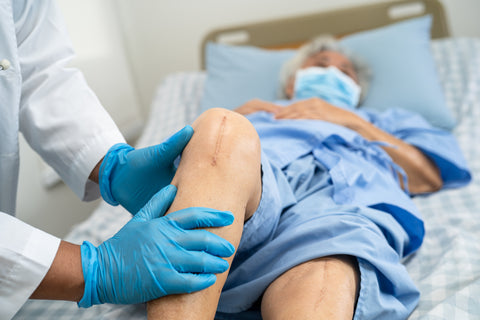
Extended periods of immobility can lead to muscle atrophy and weakness in bedridden patients. Without regular movement and exercise, muscles begin to deteriorate, resulting in reduced strength and mobility. Caregivers should incorporate gentle range-of-motion exercises and physical therapy into the patient's daily routine to help maintain muscle strength and prevent further deterioration.
3. Respiratory Issues:
Bedridden individuals are at an increased risk of developing respiratory complications, such as pneumonia and atelectasis, due to shallow breathing and reduced lung function. Proper positioning, frequent turning, and deep breathing exercises can help prevent respiratory problems. Additionally, maintaining a clean and well-ventilated environment can minimize the risk of respiratory infections.
4. Urinary Tract Infections (UTIs) and Constipation:
Immobility can disrupt normal bodily functions, leading to urinary tract infections and constipation in bedridden patients. Limited mobility may cause urinary retention or difficulty emptying the bladder, increasing the risk of UTIs. Similarly, inadequate movement can result in constipation and bowel impaction. To prevent these issues, caregivers should encourage adequate fluid intake, provide fiber-rich foods, and assist with toileting as needed.

5. Psychological and Emotional Challenges:
Being confined to bed can take a toll on a person's mental well-being, leading to feelings of isolation, depression, and anxiety. Lack of social interaction, boredom, and dependency on others can exacerbate these psychological challenges. It's crucial for caregivers to provide emotional support, engage the patient in meaningful activities, and maintain open communication to address any concerns or emotional distress.
In addition to understanding these complications, caregivers must prioritize preventive measures to ensure the comfort and overall health of bedridden patients. Regular repositioning, proper skincare, and maintaining good hygiene are essential components of preventative care.
Soreze Advance Gel - Where Nature Harmonizes with Innovation:
Using specialized Bedsore treatment and Wound healing products provide a tough sheild against pressure ulcers and skin breakdown.
Soreze Advance Gel, ushers in a new era of bedsore treatment. It introduces an innovative moisture-locking, silicone-based barrier film that redefines the way we approach this condition.

The barrier film is a game-changer. It creates a protective shield over the affected area, locking in moisture and keeping irritants at bay. At the heart of Soreze Advance Gel lies a unique blend of time-honored herbs and essential oils. These natural ingredients, intricately combined with advanced silicone elastomers, form the foundation of this groundbreaking solution. Unlike conventional treatments, this approach not only provides relief but also accelerates the healing process for Stage 1 and Stage 2 bedsores.
Years of dedicated research have led to the creation of Soreze Advance Gel, expertly designed to alleviate bedsores. It’s a protective shield against future sores. Your loved ones deserve nothing but the best.
Caring for bedridden patients requires vigilance, compassion, and a comprehensive understanding of the potential complications they may face. By proactively addressing these issues and implementing preventive measures, caregivers can improve the quality of life for bedridden individuals and promote their overall well-being.
Frequently Asked Question
-
How do you prevent bed sores on a bedridden patient?
Reposition the patient every 2 hours to relieve pressure from bony areas like the hips, heels, and tailbone. Use a pressure-relieving mattress and keep the skin clean and dry at all times. Apply a silicone-based bed sore gel on high-risk areas to reduce friction and protect the skin. Check the skin daily for early redness or discolouration that does not fade within 30 minutes.
-
What are the early signs of complications in a bedridden patient?
Watch for skin redness or discolouration that does not fade — an early sign of bed sores. Shallow breathing, coughing, or mild fever can indicate the start of a respiratory infection like pneumonia. Cloudy or foul-smelling urine, especially with increased confusion in elderly patients, may signal a urinary tract infection. Withdrawal from conversation, loss of appetite, or persistent low mood are signs of emotional decline that also need attention. -
What should a bedridden patient eat to stay healthy?
A protein-rich diet — eggs, lean meats, legumes, and dairy — supports muscle maintenance and wound healing including bed sore recovery. Include high-fibre foods like fruits, vegetables, and whole grains to prevent constipation, a common complication of immobility. Ensure at least 6 to 8 glasses of water daily to lower the risk of urinary tract infections and constipation. Vitamin C and zinc are especially important for skin integrity and immune strength.
-
Which bed sore stage needs a doctor, and which can be treated at home?
Stage 1 and Stage 2 bed sores — where skin is red, intact, or has a shallow open wound — can usually be managed at home with proper repositioning, wound dressings, and a healing bed sore gel. Stage 3 and Stage 4 sores, where damage reaches deep tissue, muscle, or bone, require immediate medical attention. Any sign of infection — pus, foul odour, spreading redness, or fever at any stage means it is time to see a doctor without delay. -
How do you safely change the position of a bedridden patient?
Use a draw sheet under the patient and, if possible, have two caregivers — one on each side — to turn or slide them gently. Roll the patient onto their side at a 30-degree angle rather than directly onto the hip bone, and support the upper knee with a pillow. Rotate between back, left side, and right side positions every 2 hours. A transfer belt or slide board can help solo caregivers reposition safely without risk of injury.