

Diabetes & Bedsores: Why Diabetic Seniors Need Extra Skin Protection ?
Dec 23, 2025

Ageing brings natural changes to the skin, but for seniors living with diabetes, these changes can become serious health concerns. One of the most common yet overlooked complications is the development of bedsores, also known as pressure ulcers. Understanding the link between diabetes and bedsores is essential to protect skin health, ensure comfort, and prevent long-term complications in elderly individuals.
How Diabetes Weakens the Skin
Diabetes affects blood vessels and nerves, which directly impacts skin health. Reduced blood flow leads to poor circulation, depriving the skin of oxygen and nutrients needed for repair. Over time, this causes delayed healing and increased vulnerability to injuries.
Additionally, diabetic seniors often experience dry, thin, and fragile skin, which can tear easily due to friction, pressure, or minor trauma. Even routine activities like sitting or lying in one position for too long can increase the risk of skin breakdown.
What Are Pressure Ulcers and Why Are They Dangerous
A pressure ulcer develops when continuous pressure limits blood supply to specific areas of the body, commonly the hips, heels, tailbone, and lower back. For diabetic seniors, the risk is significantly higher because nerve damage may reduce pain sensation, delaying detection.
Once formed, pressure ulcers can worsen quickly, leading to infections and prolonged recovery. This makes prevention a critical priority rather than waiting for treatment.
Importance of Elderly Skin Care in Diabetes
Effective elderly skin care for diabetic individuals goes beyond cleansing. It requires maintaining hydration, reducing friction, and strengthening the skin’s natural barrier. As skin ages, its ability to protect itself weakens, and diabetes further compromises this defense.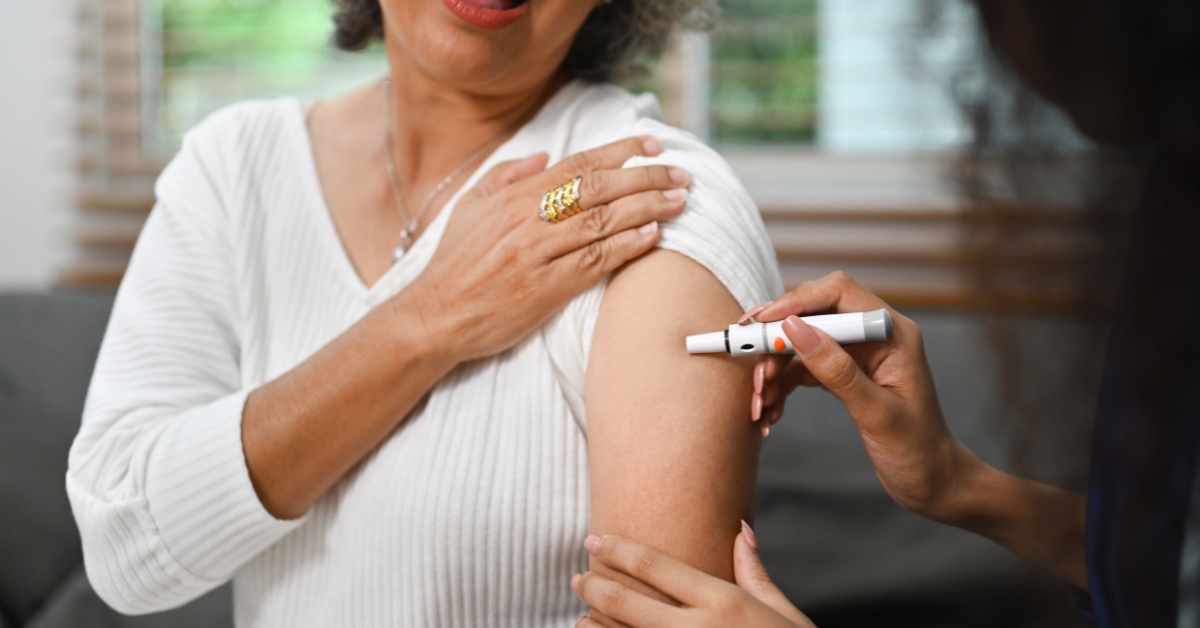
Preventive skincare routines, including regular repositioning, skin inspection, and moisture control, can significantly lower the chances of bedsores.
Prevention: Protecting Skin Before Damage Occurs
Prevention plays a key role in managing skin health in diabetic seniors. This is where targeted products like Soreze Gel for prevention can be beneficial. When used regularly, preventive gels help reduce friction, soothe stressed skin, and support skin barrier protection for diabetics.
By maintaining skin integrity and minimizing pressure-related damage, preventive care can stop bedsores from developing in the first place—especially in individuals with limited mobility.

Treatment: Managing Existing Skin Damage
If early signs of skin breakdown or bedsores appear, timely treatment is essential. Soreze Advance Gel for treatment is designed to support healing by calming irritated skin and promoting recovery in affected areas.
Using the right treatment at the right stage helps manage discomfort, reduces the risk of complications, and supports faster skin repair—an important factor for diabetic seniors with slow wound healing.

The Caregiver’s Role and Daily Challenges
Managing diabetic skin conditions often brings inconvenience for caregivers, including frequent repositioning, constant skin monitoring, and handling wounds. Without preventive measures, caregiving can become physically demanding and emotionally exhausting.
Incorporating preventive and treatment solutions into daily care routines not only protects the senior’s skin but also simplifies caregiving responsibilities and improves overall care efficiency.
Final Thoughts
Diabetes and bedsores are closely linked due to compromised circulation, reduced sensation, and delicate skin structure. By addressing fragile skin, improving poor circulation, and prioritizing skin barrier protection for diabetics, the risk of pressure ulcers can be significantly reduced.
Combining preventive care with timely treatment—such as using Soreze Gel for prevention and Soreze Advance Gel for treatment—helps safeguard diabetic seniors’ skin health while easing the burden on caregivers. With the right approach, comfort, dignity, and quality of life can be preserved at every stage of care.


