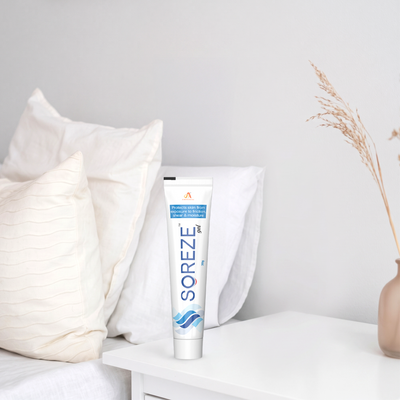
To prevent bedsores, turn the patient every 2 hours, use a pressure-relief mattress, keep the skin clean and dry after every accident, give enough protein (1–1.5 g per kg of body weight each day), and apply a silicone-based barrier gel on bony areas. Check the skin daily for redness — it shows up before the skin breaks open.
Why Bedridden Patients Are at Higher Risk?
Older adults get bedsores more easily. Their skin is thinner, they have less padding over bones, and wounds heal more slowly. Patients who are bedridden due to long-term or serious illness — including cancer patients on chemotherapy — face even higher risk, because treatment can slow healing further and reduce appetite.
Before delving into the topic further, let's take a closer look at bedsores:
What Are Bedsores?
Bedsores, also called pressure sores, develop over time due to continuous pressure or friction on a specific area of the skin. Prolonged pressure or rubbing against the skin, often caused by contact with bedsheets, can lead to skin deterioration. This constant pressure reduces blood supply to the affected area, causing the skin to deteriorate and eventually develop a sore.

Who Is at Risk of Developing Bedsores?
People with limited mobility are at a higher risk of developing pressure sores. This includes individuals who are bedridden, wheelchair-bound, require assistance to move certain body parts, or have conditions affecting blood flow, like diabetes or vascular issues. Senior citizens are particularly vulnerable.

Stages of Bedsores
The severity of pressure sores can vary, ranging from Stage I, characterized by a reddened and painful area on the skin, to Stage IV, the most severe, which involves damage to muscles, bones, veins, tendons, and even body fat exposure through a hole in the skin. Timely recognition and intervention are crucial in preventing the progression of these sores.
Here are some essential strategies for caring for bedridden individuals or those with bedsores:
How to Prevent Bedsores?
1. Maintain Fundamental Hygiene and Grooming:
Bedridden or seriously ill patients often have limited mobility, making it essential to assist them with basic hygiene and daily tasks like brushing, bathing, and attending to their needs. Ensuring proper hygiene not only prevents infections but also contributes to their overall well-being.
2. Ensure Good Bed Hygiene:
Since these individuals spend most of their time in bed, maintaining proper bed hygiene is vital. Using clean, dry sheets and regularly changing bed linens is crucial. Adequate ventilation and exposure to sunlight are also essential to prevent issues like bedbugs. Opting for cotton bedsheets or using air mattresses and water beds for comfort can be beneficial in cases of limited movement.
3. Provide Nutritious Food:
A balanced diet and adequate hydration are crucial for individuals with additional health issues. It helps maintain their overall health and vital signs. Follow the doctor's dietary recommendations and monitor their eating habits to ensure they receive the right nutrients in the right amounts.
4. Pressure Relief:
To prevent the formation of pressure sores, use pillows, foam cushions, air mattresses, air/water pads, or other appropriate materials to reduce pressure on susceptible areas. Shifting the patient's position regularly can alleviate strain on these areas. Keeping the wound dry and well-ventilated is essential to prevent its worsening.
5. Best Medical Treatment for Bedsores
A silicone-based barrier gel creates a breathable, water-repellent layer on the skin. This layer reduces friction against bedding, keeps the skin smooth, and stops urine or stool from touching the skin directly — the three factors that most often cause pressure ulcers to form.
Barrier gels are for unbroken skin only. Once a sore has opened, it needs a wound dressing chosen for its stage, and a doctor should decide which one. Keeping the area clean and dry remains important at every stage, but a barrier product is not a substitute for wound care.
Who should use Soreze Gel?
Anyone who spends long hours on bed or wheelchair or have mobility issues or any of the below mentioned conditions are most likely to develop bedsores.
- Stroke/ Paralysis
- Patients on oxygen/ BiPap/ ventilator
- Post-surgical case with limited mobility
- Neuro surgery
- Orthopedic patients on complete bed rest and/or with reduced mobility
- Terminally ill patients e.g. coma, patients on life support systems, etc.
- Long hospitalisation cases
Caring for bedridden individuals or those with bedsores requires attention to detail and specialized products like Soreze Gel to ensure their comfort and well-being.

Frequently Asked Questions
1. How can bedsores be prevented?
Regularly change the patient's position, keep the skin clean and dry, and use pressure-relieving mattresses or cushions.
2. How often should a bedridden patient be repositioned?
Ideally, reposition the patient every 2 hours to reduce prolonged pressure on the skin.
3. What are the early signs of bedsores?
Redness, skin discoloration, tenderness, warmth, or changes in skin texture can be early signs.
4. Can bedsores be treated at home?
Mild bedsores may be managed with proper cleaning and pressure relief, but severe or infected sores need medical attention.
5. Can bedsore prevention gels help?
Yes, protective gels can help reduce friction and protect the skin from moisture, but they should not replace proper wound care.