
Skin & Care Resource Centre
Expert guidance on bedsore prevention, adult diaper rash management, and elderly skincare—backed by dermatological research.
Browse By Topic
Featured Guides
 Bedsore Management
Reducing Discomfort and Promoting Healing Through Advanced Care
Wounds need more than time to heal—they need the right care at every stage. Understanding...
 Adult Diaper Rash
Caring for Your Loved Ones: Protecting Skin Without Harsh Chemicals
Caring for a loved one is one of the greatest expressions of compassion. Whether you're...
 Elderly Skincare
The Role of Adhesive Removal in Wound Healing
When people think about wound healing, they often focus on cleaning the wound, applying medication,...
 Diet & Nutrition
Strength-Boosting Winter Foods for Seniors With Low Mobility
Winter can be particularly challenging for seniors with limited mobility. The cold reduces circulation, increases...
 The Science Behind Soreze
What is MARSI and How It Affects a Patient's Skin Health ?
Maintaining healthy skin is a critical aspect of patient care, especially in hospital and clinical...
Recently Published

The Science Behind Silicone Gel in Wound Healing: Unveiling Its Moisture-Locking Power

Festival Nutrition for Seniors: Enjoying Traditions While Managing Health Conditions
Monsoon Skincare for the Elderly: A Season of Care and Protection
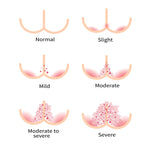
How Active Adults Can Prevent Skin Rashes from Adult Diapers?

Why barrier cream/gel should be used along with air mattresses?
Caregiver Resources
Frequently Asked Questions
What is the best gel for bedsore prevention?
Silicone barrier gels like Soreze are scientifically proven to be highly effective. They form a breathable, friction-reducing layer that is 80% more effective at preventing bedsores than regular creams.
How do I prevent diaper rash in elderly patients?
Keep the skin clean and completely dry, change diapers frequently, and apply a moisture-repellent barrier cream or gel, such as Soreze DR, which protects the skin from urine and stool.
What causes bedsores in bedridden patients?
Bedsores develop when prolonged pressure cuts off blood flow to the skin. Friction (rubbing against sheets) and shear (skin sliding against underlying bone) accelerate this breakdown.
How often should bedridden patients be repositioned?
The clinical standard is to reposition a bedridden patient every two hours to relieve pressure on bony areas like heels, hips, and the tailbone.
No matching questions found
We couldn't find any questions matching your search. Try different keywords or clear your query.