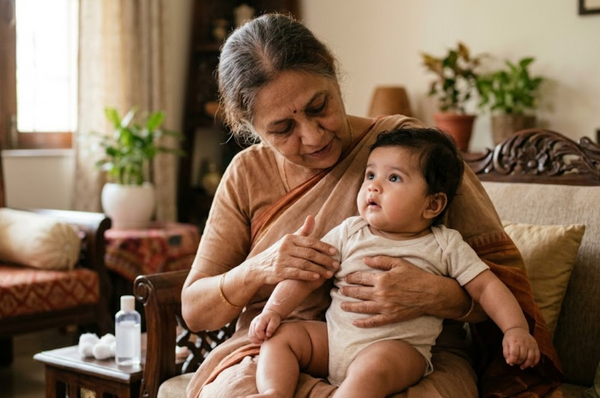
Providing care for a loved one can be one of the most meaningful responsibilities a person takes on. Whether caring for an aging parent, a family member recovering from an illness, or someone with long-term health needs, caregiving often requires patience, time, and emotional commitment. While caregivers focus on supporting others, they may sometimes overlook their own well-being. Over time, this can lead to stress, fatigue, and burnout.
The good news is that caregivers can take simple steps to manage stress while continuing to provide quality support. Prioritizing self-care is not selfish—it is an essential part of effective caregiving.
Understanding Caregiver Stress
Caregiver stress can develop when the demands of caregiving become overwhelming. Managing appointments, medications, daily routines, and household responsibilities can be challenging, especially when combined with personal and professional commitments.
Many caregivers experience feelings of exhaustion, frustration, anxiety, or isolation. Recognizing these signs early can help prevent long-term physical and emotional strain. Focusing on caregiver support can make a significant difference in maintaining balance and overall well-being.
Prioritize Your Physical Health
A healthy caregiver is better equipped to provide care. Physical health directly impacts energy levels, mood, and resilience.
Some simple habits include:
- Getting adequate sleep each night
- Eating balanced and nutritious meals
- Staying hydrated throughout the day
- Engaging in regular physical activity
- Scheduling routine health check-ups
Even a short daily walk or a few minutes of stretching can help reduce tension and improve overall health. Consistent self-care is an important part of stress management for caregivers.
Set Realistic Expectations
Many caregivers feel pressure to do everything perfectly. However, caregiving is a demanding role, and perfection is neither realistic nor necessary.
Set achievable goals and focus on what truly matters. Accept that some days will be more challenging than others. Prioritizing tasks and letting go of unrealistic expectations can help reduce unnecessary stress.
Remember that providing compassionate and consistent care is more important than trying to manage every responsibility flawlessly.
Build a Support Network
Caregiving should not be a solitary journey. Seeking help from family members, friends, neighbors, or community resources can lighten the workload and provide emotional support.
A strong support network can help with:
- Running errands
- Preparing meals
- Providing transportation
- Offering companionship
- Giving caregivers time to rest
Connecting with others who understand caregiving challenges can also provide encouragement and practical advice. Accessing caregiver support groups, either in person or online, can help reduce feelings of isolation.
Take Regular Breaks
Many caregivers hesitate to take time for themselves because they feel guilty stepping away from their responsibilities. However, regular breaks are essential for maintaining physical and emotional health.
Short breaks throughout the day can help caregivers recharge and return with renewed focus. Activities such as reading, listening to music, meditation, gardening, or spending time with friends can provide valuable moments of relaxation.
Even a few minutes dedicated to personal interests can contribute significantly to effective stress management.
Practice Mindfulness and Emotional Wellness
Managing emotions is an important aspect of caregiving. Mindfulness techniques can help caregivers stay present and reduce anxiety about future challenges.
Simple mindfulness practices include:
- Deep breathing exercises
- Meditation
- Journaling thoughts and feelings
- Practicing gratitude
- Spending time in nature
These activities can improve emotional resilience and help caregivers cope with daily demands more effectively.
Accept Professional Help When Needed
There may be times when caregiving responsibilities become too demanding to handle alone. Seeking professional assistance is a practical and responsible decision.
Home care services, respite care programs, healthcare professionals, and counseling services can provide valuable support. Utilizing these resources can improve both the caregiver’s well-being and the quality of care being provided.
Maintaining a focus on elderly care and overall caregiving quality becomes easier when caregivers have access to the right support systems.
Caregiving is an act of compassion and dedication, but it should not come at the expense of the caregiver's own health. By prioritizing self-care, building a support network, setting realistic expectations, and seeking help when needed, caregivers can better manage stress while continuing to provide high-quality care.
Taking care of yourself is one of the most important ways to take care of someone else. When caregivers maintain their own physical and emotional well-being, both they and the individuals they support can experience a better quality of life.